Nationwide Credit Clearing


Why is it so hard to open a bag of potato chips? The secret psychology of consumer engineering that tricks you into buy.

Why is it so hard to open a bag of potato chips?

If you’re like most people, you may try to rip, pull, tear, find the little pre-cut slot, and otherwise mutilate the bag of snacks as you grow increasingly frustrated.

The chip companies are well aware of this inconvenience, yet keep putting out these bags despite plenty of simple solutions that make it easier for consumers. So why do they make bags of chips so difficult to tear open?

Research into consumer behavior shows that consumers are forced to work a little harder to get their food, they’re more likely to enjoy and perceive it as tasting better.

If you’re feeling a little duped, don’t be too hard on yourself because retailers and brands employ subtle psychological tricks and triggers like this in every inch of their stores and every aspect of their branding.

In fact, your experience as a consumer these days – from first seeing an ad to walking out of the store with a sales receipt – is carefully engineered, whether you realize it or not.

Shapes, displays, packaging, colors, music, smells, temperature, layout, fabrics, dress of employees and even how a woman (but never a man) touches you on the arm or the shoulder are all carefully planned prompts, based on neural psychology with the goal of getting you to do one thing: buy.

Here are some facts about consumer engineering and the tricks being played on you every time you walk in a store:

If a salesperson asks you which of two items you prefer (even if you haven’t expressed interest in one or both of them), it’s for a good reason. They know that when asked WHICH you want to buy, a consumer’s mind is more likely to skip over the question, SHOULD I buy at all.

Research shows that when a salesperson offers a confusing sales pitch but then immediately clarifies, the likelihood that you’ll buy that item increases.

The layout of stores is also carefully orchestrated. Basically, once you enter a store, you’re like a lab rat in a maze designed by consumer engineers!

For instance, have you ever noticed that when you go into a grocery store just to pick up a few staples, like milk, bread, or eggs, you have to walk all the way to the back and sometimes the furthest back corner of the store? That’s no accident, as the designers know that you’ll have to make it through myriad temptations and displays of impulse sales in order to get your items and “escape” to the checkout – and few do without picking up extra items.

Likewise, store designers set pathways and shopping aisles to maximize your time in the store and exposure to signature items that will draw you in. Think about how you have to walk through the expensive Duty-Free shops in the airport on the way to your gate.

They also place “roadblocks” in your way that inhibit the flow and slow you down or make you adjust, forcibly noticing displays and certain items.

Stores also maximize center displays and the end of aisles, which are far more likely to attract and engage shoppers.

But most people don’t realize that the highest-grossing items, merchandise for sale, and impulse purchases are also commonly placed on the right-hand side of aisles. They do this because about 90 percent of the population is right-handed, so they’ll be drawn to the right and see those items first, and shoppers usually push their carts on the right of aisles similar to driving a car on the road.

Why do retailers position “impulse items” like batteries, gum, magazines, sales items, at the end of aisles and especially in the checkout line?

A reported 6 percent of the U.S. population are compulsive buyers – which is a major shopping addiction – and almost half of all shoppers give in to these impulse prompts to buy. In fact, a reported 20% of all retail sales this holiday season will be due to impulse items and unplanned purchases.

Do you want to resist the impulse sale? If a consumer walks to a store, instead of driving, the chances that you’ll make an impulse purchase drops by 44 percent.

When surveyed, 66 percent of consumers say that they plan on researching gifts online but then go to a physical store or the mall to actually make the purchase.

Like Pavlov’s dog in the famous experiment about classic conditioning, we nearly salivate when presented with the word “Sale.” In fact, more than 75 percent of consumers polled say that a sale would impact their holiday gift purchases.

Is the music playing in the background of stores an afterthought, played just for entertainment value? Not even close. In fact, consumer psychologists carefully plan every aspect of the music, from song choice to volume and more. They understand that if shoppers like the music that’s playing, they’re more likely to enter a store, spend more time there, try on or touch the merchandise, and, ultimately, purchase. So that’s why you’ll hear Christmas music playing in every store!

But why all of the “elevator music” and mellow, slow versions of popular songs? While the familiarity with popular songs helps, research also shows that the slower the tempo of the music, the slower people will walk around the store. But with a fast song, customers will walk through and even make decisions faster, which means less interactive shopping and sales.

One of the most effective psychological tactics to motivate consumers to buy is the phenomenon of “limiting.” By capping purchases with language like “Limit two per customer,” or “Sale ends soon,” or “One-day sale only,” a fire is lit under shoppers to buy now (and for the maximum allowed) or miss out.

Human emotion is directly linked to the sense of touch. Therefore, when consumers pick up and touch items, they’re more likely to make purchases. That’s why retailers always make sure that items are tactile, easy to pick up, try on, and touch.

Retailers and ad execs know that the color red stimulates spending, so you’ll most commonly see red in advertisements and store logos (think red “sale” signs, the Target logo, etc.)

Even smells are carefully researched and orchestrated. It’s no mystery why stores use the smell of holiday candles and roasted chestnuts or offer free samples of freshly baked cookies to Christmas shoppers.

That’s the same reason restaurants or stores offer freshly popped popcorn, which triggers salivary glands and causes consumers to order more food – or even buy more non-food items.

In fact, one study found that pumping the synthetic smell of apple pie into an appliance store immediately increased the sale of ovens and fridges by 23 percent!

Retailers carefully plan psychological triggers that will make you feel more comfortable and eager to buy, even spending far more than you originally planned. They do this with the use of “social proof” that others are buying, too, and “trust signals” like money-back guarantees and indicators that your greatest risk, in fact, is NOT buying and missing out on such great deals.

They even train their store employees very carefully, especially in high-end and luxury stores. For instance, they’re taught not to ever engage in something called “the butt brush,” the psychological reaction that when a customer’s personal space is encroached upon, even slightly, they’re likely to leave the store, even if they were planning on making a purchase.

***

Want other psychological secrets, triggers, and ploys that retailers use on you? Look for part two of this article!



Can you achieve a perfect credit score? We’ll show you how!

When you get together with your friends, family, and coworkers, there’s always one person who loves to brag about how well they’re doing. It may be about their new car, high-paying job, or even the amazingly low interest rate they just got on their mortgage.

So wouldn’t it be great if the next time they opened their mouth to be braggadocious, you could one-up them by reporting that you had a perfect credit score? There’s no topping that!

But there are plenty of financial benefits to a perfect (or excellent) credit score, too.

FICO, the most popular credit scoring model, issued by the Fair Isaac Corporation, ranges from 300 all the way up to 850. Generally, a score above 680 or so is considered “good,” and once you hit the 720 to 740 range, your score is considered “excellent.”

But there’s another level or two above that for consumers to strive for. In fact, 32.8 million people have FICO scores between 700 and 749, but approximately 70 million consumers have FICOs above 760.

Don’t stop there, because it’s possible to raise your credit score even higher. An estimated 36.4 million people have scores between 750 and 799, and 38.6 million are in the 800+ FICO range.

Only about 1% of consumers, around 2 million people, ever reach high-end 800-850 scores.

In fact, FICO estimates that only about .5% (half of one percent) of all consumers with a credit score have a perfect 850 FICO. To put in in context, the average FICO score in the United States has just reached 700 for the first time.

Remember that FICO isn’t the only credit scoring model, as there are dozens of other scoring models that banks and lenders use to make lending decisions, and then different versions of each depending on what kind of loan or even consumer they’re vetting.

So let’s say you reach an 800 credit score, or even an enviable 850 – a perfect credit score. Beyond bragging to your friends, what are the benefits?

An 850 credit score may not help as much as you think IF you compare that to another great score, like an 800, 780, or even lower. That’s because FICO uses algorithms that rate scores within “brackets,” which means that if you have above 750 or maybe 780, there really won’t be an additional benefit the higher you go.

“It’s important to understand,” reports FICO spokesman Anthony Sprauve, “that if you have a FICO score above 760, you’re going to be getting the best rates and opportunities.”

For instance, a consumer with an 850 FICO will most likely be offered the same mortgage interest rate, auto loan rate, or 0% interest credit card offer as another consumer that “only” has a 780 score.

While you may expect little perks, additional beneficial terms, and premium services with a perfect credit score, you most likely won’t see any huge benefit once you reach the “super-prime” scoring bracket.

So why strive for a perfect score? Remember that credit scores are dynamic, constantly going up and down, so today’s perfect score may be a little less next month. Furthermore, it certainly doesn’t hurt to aim for a perfect score and still have an excellent FICO even if you fall a little short. And since your credit score is a good indicator of your financial acumen and dealings with debt, a perfect credit score most likely means that your financial house is well in order.

Whether you want a perfect credit score – or just trying to improve your score until you reach 700 or even 800 – here are ten important strategies:

  1. Pay on time (and never miss a payment)

Even one late payment can hurt your score, and paying on time is about 35% of how FICO calculates your score. In fact, 96% of people with a FICO score of 785 or greater have no late payments on their credit reports.

  1. Pay down your balances

Your credit utilization ratio – how much debt you keep compared to total available balances – makes up about 30% of your credit score calculation. While you commonly hear that you should pay your credit cards and debt down below 30% of the available balances, to shoot for that perfect credit score, you’ll want to pay then down to 10% or below. In fact, a survey of consumers with 800+ scores revealed that their average credit utilization rate was just 7%.)

  1. Keep older and seasoned accounts

About 15% of your credit score is calculated by the length of your accounts, so older is better. According to FICO research, the average credit super scorer has an account that’s 19 years old. Likewise, the average age of their accounts is between 6 and 12 years, and they opened their most recent account 27 months ago or more.

  1. Keep a good mix of credit

10% of your credit score depends on managing a healthy mix of credit, including mortgages, installment loans, and high-quality revolving accounts. Consumers with FICO scores 760 and up have an average of six accounts that are currently “paid as agreed,” and an average of three accounts with a balance.

  1. Shop around in clusters

When you have your credit pulled to “shop around” for a loan, make sure it’s within a 30-day window and FICO won’t factor those pulls into your score. Even if they are spread out within 45 days, they’ll only be treated as one credit inquiry.

  1. Check your credit report often

About 25% of all credit reports contain errors, and ID theft and fraud affect about 1 in 8 American consumers. So to achieve a great score, check your score frequently and consider a credit monitoring service.

  1. Make payments before the due date

To earn an 800+ credit score, make payments well before you receive your bill and the due date. Try paying off (or down) your purchases at the end of every week for the best credit score.

  1. Increase your credit limit when offered

Another way to improve your credit utilization rate and boost your score is to take advantage of any offers to increase your credit line.

  1. Stick to one or two good credit cards

It’s best if you only use one or two cards on a regular basis. American Express is a great choice, as the balances don’t report to FICO since you pay them off in full every month.

  1. Improve your score with Nationwide Credit Clearing!

We’re the trusted leader in credit repair done right. Contact us at (773) 862-7700 or MyNationWideCredit.com for a free report and consultation so we can get you started on the way to a perfect credit score!


Answering the top-10 Google searches about credit and credit scores

Google is by far the world’s biggest search engine, with about 63% of all search traffic and 30 billion inquiries every month. In fact, type in “credit score” and you’ll get more than 69 million results! While we won’t try to answer all of those queries, here are the top 10 Google searches about credit and credit scoring:

  1. How is my credit score calculated?

There are several versions of your credit score, but the most common is issued by the Fair Isaac Corporation (FICO). While FICO keeps its credit scoring algorithms secret, we do know that the fundamental building blocks of any credit score are:

30% Credit utilization.

Your ratio of debt to available credit. It’s recommended you keep all of your debt balanced within 30% or less of your total available credit.

35% Payment history.

FICO and the other credit bureaus want to see that you’ve paid on time and in full every month, an important predictor of future payment behavior.

15% Length of credit history.

The longer your accounts have been open and in good standing, the better it reflects on your credit score.

10% Mix of credit.

A good mix of quality revolving accounts, mortgage debt, and installment debt, etc.

10% New credit.

Opening new accounts – or the wrong credit – is deemed risky and can lower your score.

  1. How much will a late payment hurt my credit score?

Since 35% of your credit score is based on your payment history, you always want to avoid paying any credit card or account late. Generally, if you do pay after the due date, your score will drop about 80-100 points. But you definitely don’t want to miss a payment for 60 days or even 90 days, which will cause serious damage to your credit score.

  1. What credit score do you need to buy a house?

If your goal is to buy a house, you’ll want to start with the mortgage process, and that means making sure your credit score is good enough to qualify for a loan, among other factors. While you’ll always have access to the best programs, terms, and the lowest interest rates with a great credit score (above 720, or even about 760 are considered “prime” scores), there are options for homebuyers with lower scores.

The Federal Housing Authority (FHA) has a great loan program that allows you to put only 3.5% down and qualify with a credit score in the 600’s, or possibly even lower in some circumstances. However, it’s always a good idea to come talk to us about six months before you plan on applying for a mortgage so we can increase your credit score and save you money.

  1. Will it hurt my score if my credit is pulled several times while I shop for a loan?

When you apply for new credit cards or loans with multiple creditors at the same time, it may signal to the credit bureaus that you’re recklessly taking on new credit – an indicator of future default. Therefore, your credit score may drop with these “hard” credit inquiries.

But the credit bureaus also understand they most consumers want to “shop around” for the best rates and terms when they’re making big purchases, like mortgage or auto loans, and that means having your credit pulled more than once.

To make allowances for this common consumer practice, the credit bureaus don’t ding you a batch of inquiries, as long as they’re within a 30-day period or less. Just don’t overdo it, or have your credit pulled from different kinds of debts (credit card, retail, etc.) or it will signal to them that you’re desperate to take on new debt, and your score will drop.

  1. Why is it important to check my credit report often?

The news these days is filled with reports of data leaks and hacks, such as the recent one of Equifax’s database that saw 235 million records compromised. Identity theft is the fastest growing crime, and most of that sensitive financial information is obtained online. For that reason, you should be checking your credit report often to screen for accounts that have been opened in your name.   Likewise, the credit bureaus make a lot of mistakes when it comes to credit reporting – which could impact your score. In fact, it’s estimated that 50% of all credit reports contain errors, duplicates, or misreported information!

  1. How long will a bankruptcy/foreclosure/judgment stay on my credit?

Most delinquent items will report on your credit for 7 years before falling off, but there a few exceptions:

Charge-offs stay on your report for 7.5 years from the first missed payment.

Chapter 7 bankruptcies remain for 10 years from the date filed.

Chapter 13 bankruptcies remain for 7 years from the date discharged or a maximum of 10 years.

Student loans can remain on your credit until they’re paid.

Foreclosures and short sales will probably report for the full 7 years, but the negative impact will diminish over time. But changes in the industry now make it possible for some people to buy another home in as little as 1-2 years.

If you’ve experienced one of these negatives, contact Nationwide Credit Clearing.com so we can start repairing your credit and get you on the track!

  1. What happens if my husband/wife or cosigner on a loan and the other person defaults?

When it comes debt responsibility among married couples, different states have different laws. Community property states (include Arizona, California, Idaho, Louisiana, Nevada, New Mexico, Texas, Washington, and Wisconsin) deem that you’re responsible for your partner’s debts if they were charged up during the marriage. Even if you get divorced, you’re both accountable for the debt, and it will show on both credit reports.

That’s also the case when you co-sign for a loan with someone else – the debt obligation is shared, but both parties are fully responsible. So if the other person fails to pay, or even misses a payment, your credit score will go down, and the creditor will pursue you, too.

  1. Why is a good credit score important?

A good credit score can save you thousands or tens of thousands of dollars on mortgage loans, credit card interest rates, car and student loans, and even insurance. Many employers are even now looking at credit reports when screening applicants!

  1. What is credit repair/How can credit repair help me?

Credit repair is a process where you try to clear up inaccurate, outdated, or other misreported negative items on your credit history so that your score will go up. Credit repair entails a formal procedure where we send dispute letters to the credit reporting agencies to challenge the validity of negative information. The credit bureaus are governed by the Fair Credit Reporting Act, which requires them to either fix the problem or respond with evidence that it’s true within a certain timeline. Either they will fix the inaccurate negative credit item, or, if they don’t have evidence or don’t respond in time, the item will be removed. Both outcomes help your credit score rise to where it should be.

Credit repair done through an experienced and trustworthy firm like Nationwide Credit Clearing can increase your score, remove incorrect information, and save you a lot of money in the long run.

  1. Do I have to pay to check my credit score?

According to the Fair and Accurate Credit Transactions Act (the FACT Act), you are eligible to receive a free copy of your credit report once each year from each of the three major credit bureaus by going to www.annualcreditreport.com. This will show your credit history, not your score, but at least you’ll be able to monitor your credit activity and make sure you’re on track.

***

For a more in-depth look at your credit score, credit report, and what you need to do to improve and save money, contact Nationwide Credit Clearing.com for a FREE credit report and consultation! We’re here to help you!


Just how much money will you save with a good credit score? The answer may shock you!

Most people don’t think about their credit score on a daily basis, even as they use their credit cards, make their auto loan payment, or write a sizable check for their monthly mortgage. However, there’s a direct correlation between a good credit score and saving on all of these accounts – and more.

The top credit scorers typically save tens (or even hundreds!) of thousands of dollars over their lives, helping them pay off debt, amass savings, invest to retire comfortably, or achieve their other financial goals.

Meanwhile, consumers with subprime or even average credit scores get charged higher interest rates, fees, and see a lot of doors closed when they apply for new loans.

So how much money will a great credit score actually save you? Let’s take a look:

Credit Cards:

According to Bankrate.com, if your credit score falls between 600-679, the average U.S. credit card APR (annual percentage rate) is 22.9%

But if your score is in the 680-739 range, your APR drops significantly to 17.99%.

However, for the highest credit scores in the 740-850 range, the average APR is only 12.99%.

So how much can those lower credit card interest rates save you?

Looking at a popular tiered credit card with a $10,000 balance as an illustration, we see that with the lower 12.99 percent APR for high-score consumers, the monthly payment would be $297 for over five years to pay it off. But if you had that that higher 22.9% rate because your credit score was mediocre, that monthly payment would jump up to an astronomical $715…and for more than 7 years!

Therefore, keeping a great credit score could be the difference between paying $18,414 total to pay off this card or $44,330 – a whopping $25,000+ savings!

Auto financing:

When it’s time to purchase a car and apply for auto financing, your rates and terms can vary widely. But one thing is for sure: a great credit score will save you a lot of money when you’re paying off that shiny new auto month-after-month.

According to VantageScore, which is the main purveyor of credit scoring for auto lenders, a typical $25,000 auto loan for a 5-year term:

  • Below 550 Vantage Score (poor credit): 18.9% with $13,828 interest paid
  • Below 620 score (subprime credit): 17.9% with $13,009 interest paid
  • 620 to 680 credit score (average): 11% with $7,614 interest paid
  • 680-740 credit score (good): 6.5% with $4,350 interest paid
  • 740-850 credit score (excellent): 5.1% with only $3,375 interest paid

While a 760 is considered a top-notch credit score for mortgage lending, you’ll probably qualify for the best auto financing with a 720 or higher score. In fact, consumers with excellent credit scores may even qualify for 0% financing on new car purchases.

Mortgage:

One of the biggest ways your credit score will save you huge bucks is when it’s time to buy a home. And unless you’re paying cash for that home, you’ll be applying for a home loan, with rates and pricing based heavily on credit score.

Assuming that the average sales price of a house is $343,300, with a mortgage of $274,640 (20% down payment) and a 30-year fixed mortgage:

Let’s start with a 5% interest rate just for illustration purposes (historically, that’s low, but right now it could be a little high):

Your monthly payment will be $1,474

Total payoff over 30 years is $530,758 (interest and principal payments)

But if you have a better-than-average credit score and qualify for a 4.5% interest rate on that same loan, your monthly payment will be $1,392 with a total payoff of $500,962.

And if you have a great credit score that grants you a 4% interest rate, that means you’ll only pay $1,311 per month with a $471,960 payoff

So how much will a good credit score save you when it comes to this typical mortgage illustration?

-Savings in 1 year (compared to a 5% rate)

4.5% $984

4% $1,956

-Savings in 5 years

4.5% $4,920

4% $9,780

-Savings in 10 years

4.5% $9,840

4% $19,560

-Savings in 30 years

4.5% $29,796

4% $58,736

And for a $500,000 home, the difference between a 760 and a 620 credit score could cost you about $150,000 or more in additional interest payments due to higher rates!

In fact, according to Michelle Chmelar, the vice president of mortgage lending with Guaranteed Rate, every 20-point step down from a 760 credit score could cost the borrower 25 basis points when it comes to pricing, as well as higher fees and closing costs.

Other ways a good credit score will save you money:

Qualify for the best credit cards:

With a top score, you’ll have the best credit cards jockeying for your business, offering the lowest interest rates (sometimes even 0% for a period), options for low or no annual fees, and great perks and rewards. The credit card companies will also gladly extend you higher balances. Together, this can save you hundreds of dollars every year.

Better car insurance deals:

You may not have known that car insurers also rate and apply coverage based on credit scores. While some states, like California, Hawaii, and Massachusetts, don’t allow car insurance companies to look at credit, in most states, you’ll see much lower premiums with a better credit score – saving you money.

Cheaper cell phone plans:

If you’ve walked into a store recently to buy a new cell phone, you were probably asked to authorize a credit score check. In fact, cell companies will require a hefty security deposit and might even charge you higher rates – or outright deny you a contract – if you have enough blemishes on your credit report.

Get approved for rental housing and apartments:

Most landlords include an authorization for a credit check when you submit an application, and your payment history is a pivotal factor in approving you for a lease. Likewise, if you have judgments from past landlords or collections from utility companies on your credit history, you can probably kiss your chances of getting that nice apartment goodbye.

Utility bill savings:

When it’s time to sign up for a new electricity, heating, water, or trash account, a bad credit score can cause some serious problems, In fact, most utility companies will charge increased security deposits – sometimes hundreds of dollars – for bad credit consumers.

Make the grade with student loans:

The average college graduate now leaves school with $37,172 in student loan debt, an increase of 6% (or +$2,200) over just last year. You better believe that a great credit score will help you qualify for lower-interest student loans!

Don’t miss out on your dream job:

A bad credit score can hurt you in ways that have nothing to do with taking out a loan. In fact, employers are screening their potential employees for credit score, especially with government jobs or those in the financial sector. It’s estimated that 1 in 4 Americans have been subjected to a credit score check when applying for a job, and 1 in 10 have actually been denied a job because of a bad score or something on their credit report!

***

Are you ready to start saving money? Let’s start with your credit score! Contact us for a free consultation and credit report.


Millennials aren’t making the grade when it comes to credit.

When it comes to Millennials, the financial picture is less than glowing – including their credit scores. With 83.1 million young adults in our country between 18 and 34 years old (born between 1981 and 1997), Millennials are the largest demographic in U.S. history.

They’re also impossible to ignore since by 2025, they’ll make up about one-quarter of our total population and three-quarters of our workforce (about 53.5 million workers).
Still, research shows that Millennials are seriously stumbling when it comes to their credit scores, debt, and financial acumen.

Here are 25 facts about Millenials and debt, loans, and credit scores:

1. According to NerdWallet.com, the average Millennial credit score is only 628, the lowest of any age group in the country and significantly lower than the 700 average American FICO score.

2. Millennials may be young, but they’re already saddled with debt at an alarming rate, with an average of $23,332 in debt each. For reference, Gen X’ers have an average of $30,039 debt.

3. According to TransUnion, 43% of all Millennials have bad credit, considered subprime borrowers. The next highest group is Generation X with 33% bad credit, and only 20% of Baby Boomers.

4. Furthermore, only 6% of millennials have credit scores in the super prime (781 to 850) category, compared to 34% of Baby Boomers that achieve those credit score heights.

5. In fact, 28% of all Millennials have a credit score of 579 or lower. That’s one in four young people with a dismal credit score!

6. Other research shows that approximately 67% of all young adults under 30 have credit scores of 681 or less – two-thirds that don’t have good scores.

7. However, low credit scores may not be 100% their fault when we consider that the length of credit history makes up 15% of any person’s credit score. Of course, Millennials are far more likely to have shorter credit histories (and fewer accounts). So not only do they miss out on any score boost from seasoned credit lines, but missed payments or negative item wreak havoc on their score.

8. The most disturbing part is that Millennials seem to understand credit scores and credit reporting far less than any other generation, In fact, 44% of Millennials don’t even know what their credit score is right now, and only one in five have checked their credit report in the last year!

9. When they are granted new credit accounts, Millenials are also using it to rack up consumer debt at a higher rate than any generation. In fact, the average Millennial has $59,154 available credit but uses $47,089 of it – an astronomically high 79% credit utilization ratio.

10. While these numbers are averages, looking deeper, we see a different story. Since about one-third of Millennials have never even applied for a credit card (and have no credit card debt), we see a portion of this age group that has amassed huge debt loads.

11. Of course, it makes sense that Millennials are also applying for credit cards at a higher rate than any other demographic, exceeding the U.S. average.

12. As we documented, they’re spending more on their credit cards and credit lines once they’re approved. In fact, Millennials now have an average debt (not including mortgages) that equals 77% of their income, compared to the national average of 49%!

13. The burden of student loan debt weighs most heavily on Millennials these days, with student debt skyrocketing 56% in the last decade to nearly 1.2 trillion dollars.

14. 38% of Millennials carry student loan debt, and 42% of Millennial households have student debt.

15. The average graduate leaves school with nearly $30,000 in student loans. Among all Millennials, the average student loan balance of $17,200 with $351 in monthly payments.

16. But their debt doesn’t just come from investment in education, with 35% of this age group also carrying an auto loan. On average, Millennials with car loans owe $11,000 owed and pay an exorbitant $503 in monthly payments!

17. Furthermore, only 20% have a home loan, which can be considered “good debt.”

18. When they do apply for credit cards or new credit (like store retail accounts), almost half (48%) of Millennials do so as an impulse decision – on the spot at a store, sporting event, mailing offer, or when an offer pops up online, etc.

19. A high debt load puts a strain on their monthly budget, often preventing Millennials from buying their first home.

20. Where do Millennials live?50% of Millennials rent on their own,Only 26% own their home, condominium, etc.,21% of Millennials still live with their parents,and 3% live in military or student housing.

21. Additionally, between 2006 and 2013, the number of young adults living with their parents jumped 15%, which means an additional 10 million working-age people still living at home.

22. Millennials are now renting for an average of six years before they buy their first home.

23. In a Fannie Mae survey, Millennial renters gave their top reasons why they weren’t buying a home. 57% of respondents said that they weren’t buying for financial reasons, including:

  • Insufficient credit score or history
  • Affording the down payment or closing costs
  • Insufficient income for monthly payments
  • Too much existing debt

(That’s right – a credit score that’s too low is the #1 obstacle to home ownership according to Millennials, followed by saving for a down payment).

24. According to financial polls, 62% of Millennials have less than $1,000 saved – and 21% have no savings at all!

25. In fact, a recent survey by SurveyMonkey found that almost half of all adults age 18 to 34 spent more on coffee than they contribute to investing for retirement! It’s true – about 44% of females and 35% of male Millennials spend more at Starbucks than in their 401K or retirement planning.

Still, the news isn’t all negative when it comes to Millennial home ownership, as one in three (33%) homebuyers in 2017 are Millennials, and 68% of first-time buyers this year are in that age group.

***

Are you a Millennial and you’d like to improve your credit score? In college or just graduated and already facing debt? Or maybe your son or daughter needs some credit score help? Message us for a free consultation!


How do Derogatory Items affect your Credit?

img_0018-2


What are derogatory items?

Derogatory items are significantly damaging marks that show up on credit reports as a result of poorly managed credit scores or identity theft. Measures such as late/skipped payments can ultimately lead to the existence of derogatory marks on your reports. Each mark corresponding to a particular circumstance or outcome. Below are a few examples of several key derogatory items you should know about:

Charge-off: A charge-off is one of the worst marks a person can get on his or her credit report, as they happen when a lender determines that someone isn’t able (or unwilling) to pay off a debt they’ve been delinquent on for many months of payments. Although the lender determines the borrower is unable to pay, the lender is still able to legally demand payment entirely for as long as the state’s statute of limitations allow. It needs to be noted that it’s possible for charged-off financial debt to be settled for under its full worth, but credit reports will often note that the debt was not paid in full should this happen.

Collections: Sometimes debt goes to a collections bureau after a lender or service fails to receive payments. With this designation on your own credit report is quite severe; it is possible to work with a collections agency to make paying the money a bit easier. You can also negotiate conditions on your mark to disappear from your information completely once you make the agreed-upon payments.

Court Judgement: Judgements make reference to civil court rulings typically made against one person who owes money to someone else (similar to a lawsuit from a creditor or any other lawsuit regarding money). Since judgements are a case of public record, they could easily show up on credit reports.

Default: A default, particularly on certain kinds of loans (home, student, car), can create a serious problem on credit reports. Oftentimes, a default can be a precursor to several of the other items on this checklist, as it is one of the very first derogatory items that will show up on a past due individual’s credit report. For example, a default might appear onto your credit reports prior to the account being sent to collections. This is why it is extremely crucial to take non-payments seriously and address the problem that caused them right away.

Repossession: Repossession typically occurs when you default on a secured loan, i.e.. You presented something in collateral. If this occurs, everything you offered as collateral for this loan will be taken by way of the lender. This most frequently happens for mortgages and car loans, where the car or home you purchased with this loan is taken away. It’s worth noting that if the current amount of the repossessed item does not cover the entire remaining account balance on this loan, you might still be on the hook for future payments.  These things are in no way an exhaustive list of derogatory marks; however they are several of the worst and most damaging, which is why you need to be aware of them.

How can I tell if my credit reports have derogatory marks?

The easiest way to find out if your credit reports include any derogatory marks would be to check your credit report & score. If you do not already know, federal law enables you to get one free copy of all the three of your credit reports – Equifax, Experian, and TransUnion – one time per year through most online services.

Can someone really improve their credit after receiving multiple derogatory marks?

If you do have any of the neg marks mentioned above, do not give up hope. While none of these issues is good for your credit, in time they will eventually just go away. Most derogatory items merely remain on your credit report for about 7 years, along with some having the potential to disappear even sooner. As your credit history grows, the weight that these items are specified also decreases, even if they are still physically found on your report. In addition, there is a whole lot that you can do to start building your credit again nearly immediately. Considering that most of these marks are the direct result of failed payments, working out a payment strategy to pay off any balances is a solid initial step toward restoring your own personal credit.

If you struggle with this, we encourage you to take a look at our top quality X5 Credit Repair system, exclusively from Nationwide Credit Clearing. If you or someone you know has derogatory items on their report, ones that should be disputed, please give us a call. We have been helping people for 28 years improve the quality of their lives simply by working with Nationwide Credit. 

Money cannot buy happiness, but it sure makes living life a lot easier. Don’t Wait, Call Now!

Nationwide Credit Clearing

“Home of the Free Credit Report & Consultation”
2336 N. Damen
First Floor
Chicago, IL 60647

Phone: 773-862-7700
Toll Free: 877-334-3296
Fax: 773-862-7703
E-Mail: support@mynationwidecredit.com

follow us on…

Social icons by dreamstale (6) Social icons by dreamstale (10) Social icons by dreamstale (22) Social icons by dreamstale (5) Social icons by dreamstale (17)


Secure a Solid Loan by Improving your Credit

shutterstock_405438229

Everyone knows that personal credit scores are crucial when it comes to obtaining a loan for a car, house, or anything that is a large purchase; however a business credit score is just as vital for small business loans. Understanding the ins and outs of building or regaining good credit may seem complicated, and here at Nationwide Credit Clearing, we want to help by providing you with these simple tips  to be familiar with.

KEEP THE UTILIZATION % AT A LOW

The optimal proportion of utilization is 30% which means, if you have a $10K limit on your charge card, try to keep the exact balance below $3K. In a nutshell, you want to have a lot more credit available than you actually need. The more connected you allow yourself to reach your max amount, the higher risk you look like.

ORGANIZE MORE THAN ONE CARD

10% of one’s credit score will be based upon the mix of credit you ACTUALLY use as well as how effectively you manage them all, so be sure to have multiple cards open as well as spread utilization equally amongst them. Do NOT cancel your cards in an effort to improve your credit score. Your cards need to be kept open with a low utilization rate.

TIMING IS PRETTY MUCH EVERYTHING

Every time you submit an application, your credit score is checked. The greater number of applications you submit, the more reduced your credit score is going to b, unless you do all of your applying within a short period of time. Still, if all inquiries are set up within about 30 days or less, the reporting agencies will consider multiple inquiries as just one inquiry regarding a single purchase, so you want to keep your credit application window of this time as short as you possibly can.

MONITOR YOUR CREDIT SCORE OFTEN

Everyone is entitled to a free copy of their credit report from each one of the top 3 reporting agencies one time per year, meaning you can request a copy from a different agency every four months.

RECORD & TRACK ALL PAID OFF DEBTS

The more positive history you have of paid off debts, the better you look to prospective lenders, so make sure you keep those gold stars on your credit history as long as possible.

DON’T BE LATE

Your credit report doesn’t just cover credit cards & loan payments but it also includes every other payment you have made or are currently making. That unpaid $30 copay or electric bill will hurt you just nearly as much as a balance of $1k that hasn’t been paid on a loan or card (if it goes beyond 60 days that is).

Nationwide Credit Clearing recommends you check your report often and ensure you don’t possess unknown outlying debt..

If your credit score is not as solid as you would like it to be, start implementing these pointers and you will see your score begin to go up. Keep in mind, the right loans can in fact help develop your credit, and we can help get you there. Even though you may seem to have a hiccup and overlook a payment, do not let it discourage you. Pay the bill, and then keep moving forward; that dimple won’t be there for long.

If you still feel uncertain about how to even begin with these steps, Nationwide Credit is here to help guide you.  We offer a free credit report and consultation.  If it’s been a while since you have checked your credit score, please give us a call.

Nationwide Credit Clearing

“Home of the Free Credit Report & Consultation”
2336 N. Damen
First Floor
Chicago, IL 60647

Phone: 773-862-7700
Toll Free: 877-334-3296
Fax: 773-862-7703
E-Mail: support@mynationwidecredit.com

follow us on…

Social icons by dreamstale (6) Social icons by dreamstale (10) Social icons by dreamstale (22) Social icons by dreamstale (5) Social icons by dreamstale (17)


Credit Talk 2016


5 Ways To Be A Victim Of Credit Card Fraud

shutterstock_114850798

Credit card fraud takes place in a variety of ways. It can occur from someone dumpster diving to high-tech hacking. Perhaps a dishonest clerk or waiter takes a photo of your credit card and uses your account to buy items. The fact is fraud can happen to even the most tech-savvy consumers. Check out these 5 common ways consumers fall victim to credit card fraud.

Not Shredding Your Bank Statements: Do you still receive paper bank statements? With online banking many consumers don’t even bother to look at the statements that come in the mail. However, if you are still receiving statements in the mail there is action that needs to be taken. If you are disposing the statements, make sure the are shredded and illegible. If you are keeping the bank statements store them at home in safe place.

Not Checking For Skimmers: Thieves may attach skimming devices to the exterior of an ATM or POS system that requires a PIN. Before using a POS system check to make sure there is no unusual device added to the machine. Glue, scuff marks, or loose materials around the machine, are signs the machine has been tampered with.

Online Banking Using Public Wi-Fi: Free Wi-Fi is becoming readily available at restaurants, coffee shops, airports, etc. across the country. How safe are these public networks? When using public Wi-Fi, it is best to not check the balance of your credit card. It is easier for hackers to intercept online transactions and passwords when you are using an open wireless network.

Responding To Phishing Messages: Have you ever received a text message from your “bank”, asking you to log into your online banking account?  Be skeptical of these messages, especially if they request personal information such as your login or account number. Your financial institution has this information and won’t ask you for it. When you receive a message you are unsure of, contact your bank immediately before you respond.

Not Checking Your Account: How will you know if there are questionable charges on your credit card if you never check your account? Open your bills and statements promptly. If you see a questionable charge, report it!

If you or a loved one has been a victim of credit card fraud, contact Nationwide Credit Clearing to learn how we can help you. Call today (773) 862-7700.

Nationwide Credit Clearing

“Home of the Free Credit Report & Consultation”
2336 N. Damen
First Floor
Chicago, IL 60647

Phone: 773-862-7700
Toll Free: 877-334-3296
Fax: 773-862-7703
E-Mail: support@mynationwidecredit.com

follow us on…

Social icons by dreamstale (6) Social icons by dreamstale (10) Social icons by dreamstale (22) Social icons by dreamstale (5) Social icons by dreamstale (17)


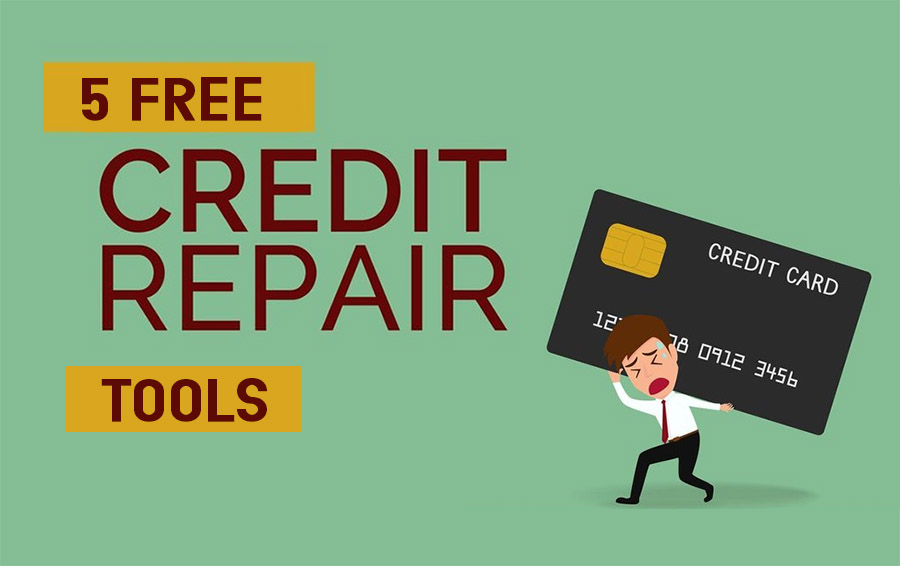
Five Free Credit Repair Tools

In addition to our programs at Nationwide Credit Clearing, there are several free ways to get help with your credit. If you are committed to repairing your credit score in 2016, you won’t want to miss these five free credit repair tools.

Untitled-3

  1. Credit Reports: Every person is entitled to a free annual copy of their credit report from the major bureaus. Thanks to the Fair Credit Reporting Act (FRCA) which promotes the accuracy, fairness and privacy of information in the files of consumer reporting agencies. Take the time to review your report. Be sure to highlight any information that stands out or you believe may not be accurate. Identifying errors is the first step.
  2. Education: Today, in the digital era, we have access to more resources and information than ever before. The Consumer Financial Protection Bureau and Federal Trade Commission are government agencies that protect your credit rights and provide free education tools. It is important to take advantage of these tools and understand what affects your credit scores. Learn ways to adopt best practice to boost your credit score.
  3. Online Deals: Again, being an era surrounded by digital resources, why not take advantage of all the money-savings options. Check out sites like Groupon, RetailMeNot, and Living Social. If you are committed to improving your credit score, take the time to collect a savings.
  4. Digital Calculators: Before you make a big purchase, or take out a loan be sure you have your math done correctly. Estimate before you commit and use a free loan calculator. These numbers will help you to take the proper financial next steps.
  5. Budgeting: Make the most of your assets and income in 2016 and create a budget plan and stick with it. Proper financial management will guide you in the right direct toward a higher credit score.

 Don’t wait! Better Credit is just a click away!  Call the experts at Nationwide  Credit Clearing.  “Home of the Free Credit Report and Consultation”

Nationwide Credit Clearing
2336 N. Damen
First Floor
Chicago, IL 60647

Phone: 773-862-7700
Toll Free: 877-334-3296
Fax: 773-862-7703
E-Mail: support@mynationwidecredit.com

http://mynationwidecredit.com

Your Credit Score